


Key takeaways about oral hygiene and oral cancer risk:
- Finding oral cancer early can increase survival rates up to 85 percent, while late detection leads to invasive treatments and lower survival.
- Neglecting brushing, flossing, and dental visits leads to chronic inflammation and tooth loss, both linked to higher oral cancer risk.
- Daily flossing, regular dental check-ups, avoiding tobacco and excessive alcohol, getting the HPV vaccine, and using sun protection all help prevent oral cancer.
This year, more than 60 thousand Americans will receive an oral cancer diagnosis. The difference between early and late detection is significant. Early-stage patients may have up to an 85 percent five-year survival rate, while late-stage diagnosis often means invasive surgery affecting appearance, speech, and eating, as well as a significantly reduced chance of survival.
Simple changes in your oral health routine, like flossing daily and visiting your dentist regularly, could significantly reduce your risk of developing oral cancer.
The connection between poor oral health and oral cancer
Poor oral hygiene doesn’t just lead to cavities and gum disease. Research shows that people with poor oral hygiene have a higher risk of developing oral cancer compared to those who maintain good dental habits.
When you neglect regular brushing, flossing, and dental visits, harmful bacteria flourish in your mouth, creating chronic inflammation that can damage cellular DNA over time. This chronic inflammation typically appears as gum disease or periodontitis. This constant state of inflammation, combined with chemical changes in your mouth, creates an environment where cancer cells can develop more easily.
Furthermore, a 2023 meta-analysis of 15 studies found that tooth loss nearly doubles the risk of oral cancer. Gum disease is the leading cause of tooth loss for adults in the United States.
The good news? Simple habits like daily flossing, regular brushing, and routine dental check-ups can dramatically reduce these risks and help catch any warning signs early, when treatment is most effective.
What is oral cancer?
Oral cancer is a type of cancer that develops in the mouth and surrounding areas, including the lips, tongue, cheeks, throat, and floor or roof of the mouth.
What causes oral cancer?
The majority of oral cancers develop when cells in the mouth and throat mutate or change abnormally.
Several factors can trigger these cellular changes:
- Tobacco use (smoking or chewing)
- Heavy alcohol consumption
- HPV (Human Papillomavirus) infection
- Excessive sun exposure (particularly for lip cancer)
- Weakened immune system
- Genetic factors
- Poor oral health hygiene (increased chronic inflammation)
Recognizing the signs of oral cancer
Early detection is crucial. If you notice any of these symptoms lasting more than two weeks, schedule an appointment with your dentist or doctor:
- A mouth or lip sore that won’t heal
- White or red patches on the gums, tongue, or lining of the mouth
- A lump or thickening in the cheek or neck
- Persistent mouth or ear pain
- Difficulty or pain when chewing or swallowing
- Loose teeth without an obvious cause
How to reduce your risk of developing oral cancer
Two of the most effective ways to prevent oral cancer are to avoid tobacco in all forms (cigarettes, cigars, chewing tobacco, and vaping products) and limit alcohol consumption. Getting the HPV vaccine is another powerful prevention tool, since HPV is now linked to a growing number of oral cancers, particularly in the throat.
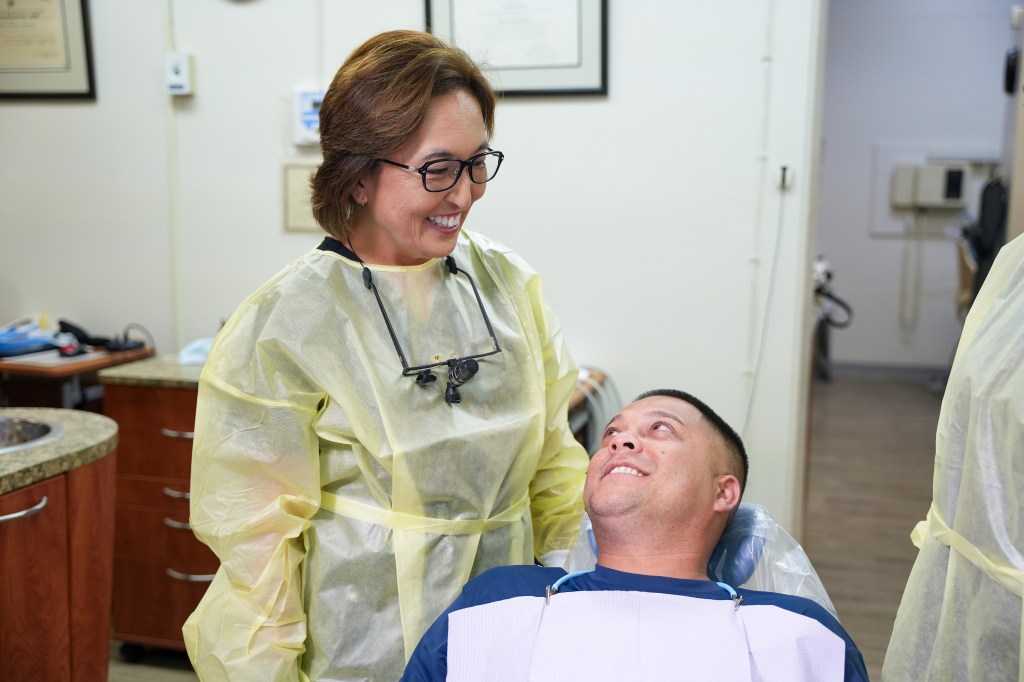
It’s also important to maintain good oral hygiene by brushing and flossing daily, and to keep up with dental visits. Your dentist performs oral cancer screenings during every check-up, making these appointments crucial for early detection.
Simple lifestyle choices can also make a big difference. Eating plenty of fruits and vegetables can significantly reduce your oral cancer risk, while protecting your lips with sunscreen lip balm guards against sun-related cancers.
Protect yourself against oral cancer today
Your oral health routine does far more than keep your smile bright. It plays a key role in protecting you against oral cancer. By prioritizing daily flossing, keeping up with routine dental check-ups, avoiding tobacco, and staying mindful of any changes in your mouth, you’re taking proactive, meaningful steps to safeguard your overall health.
Don’t wait for warning signs to appear. Make your oral health a non‑negotiable part of your wellness routine and schedule your next dental visit today.





Leave a Reply