

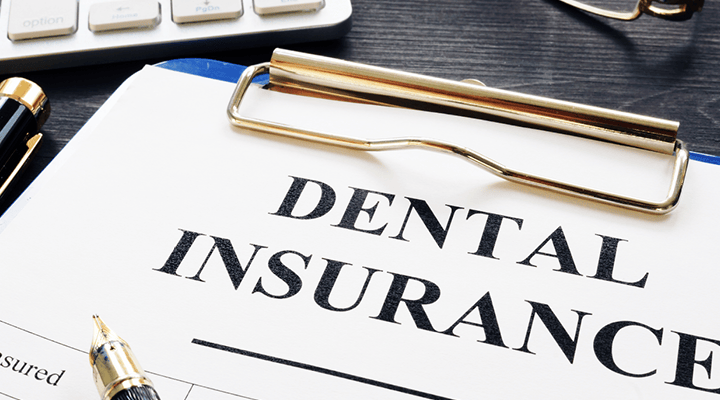
Key takeaways about the value of dental insurance:
- Although most adults recognize the importance of dental visits, misconceptions about cost, coverage, and the value of dental insurance often prevent people from enrolling in a plan.
- By covering preventative care and encouraging regular dental visits, dental insurance helps identify oral health issues early, reducing the risk of more serious and costly treatments later on.
- Paying out of pocket may seem more affordable at first, but dental insurance can lower overall treatment costs through covered preventive care, negotiated rates, and reduced out-of-pocket expenses.
Ninety percent of adults admitted they “believe that a dental visit is as important as an annual physical,” according to the 2026 State of America’s Oral Health and Wellness Report.
However, as of 2024, only an estimated 65 percent of the population have dental insurance. If most Americans agree on the value of going to the dentist, why do so many opt out of having dental coverage?
It’s possible that many people refrain from getting coverage because they don’t see the value of dental insurance or understand how much dental benefits are worth. The reason behind this misunderstanding could be due to a variety of things, such as a lack of knowledge on what dental insurance is or the false impression that paying out-of-pocket is a more accessible option.
Misconceptions about dental insurance
Many people skip dental insurance because of common misconceptions. Some think it’s too expensive or only worth it if you need major dental work. In reality, dental insurance is often affordable and covers preventive care like cleanings and check-ups. It helps catch issues early and can prevent more expensive bills later.
Others believe paying out-of-pocket is easier, but one unexpected dental procedure can be costly. According to GoodRx, a dental cleaning can range between $75 to $200 dollars without insurance, whereas a more invasive procedure like a root canal can cost between $700 to $2,100 dollars. Without coverage, even basic care can become a major expense.
Why have dental insurance?
When you realize all the benefits of coverage, it’s easy to understand the true value of dental insurance:
Dental insurance helps control the costs of dental care
- Without dental insurance, you’re responsible for the full cost of treatment. But with a Hawaii Dental Service plan, you benefit from discounted rates and coverage that helps reduce your out-of-pocket expenses. Preventive care like check-ups and cleanings is often covered at 100 percent, while insurance also helps lower the cost of major procedures, saving you money and protecting your oral health.
Dental insurance helps prevent the development of more severe issues
- Because dental insurance focuses on preventive care, those with insurance are less likely to have severe dental problems. By visiting the dentist more frequently, dentists can detect problems early on and treat them before they develop into more severe issues. This creates peace of mind for those with dental insurance because they know they won’t have to suffer from painful complications due to oral health problems.
Dental insurance helps save time
- Visiting the dentist can also be a time-consuming affair. From finding a dentist, getting a quote from their office, and scheduling your appointment, there’s a lot to do. Fortunately, Hawaii Dental Service offers a variety of tools to ease the process for their members, including:
Offering dental insurance creates a better work environment
- As an employer, enhancing the employee experience is always a priority, and offering dental benefits is a smart way to do it. Dental insurance is affordable, customizable, and supports employee’s oral and overall health. This can lead to more productivity and less absenteeism in the office.
Dental insurance is always a good investment
Dental insurance does more than just lower your dental bills, it helps protect the health of both you and your family. By reducing out-of-pocket costs and encouraging routine check-ups, dental coverage makes it easier to stay on top of preventive care and catch issues early, before they become more serious and expensive.
Whether it’s for cleanings, fillings, or more advanced treatments, having the right dental plan can lead to better oral health and long-term savings. Explore your options and find a plan that fits your needs and your budget today.



Leave a Reply